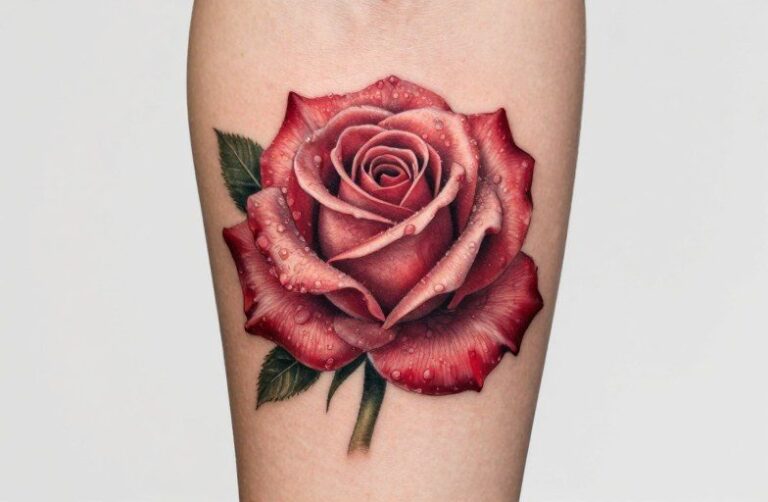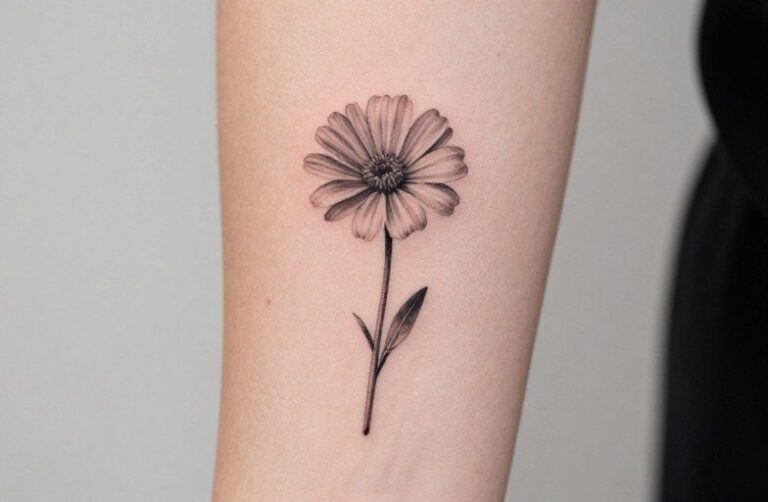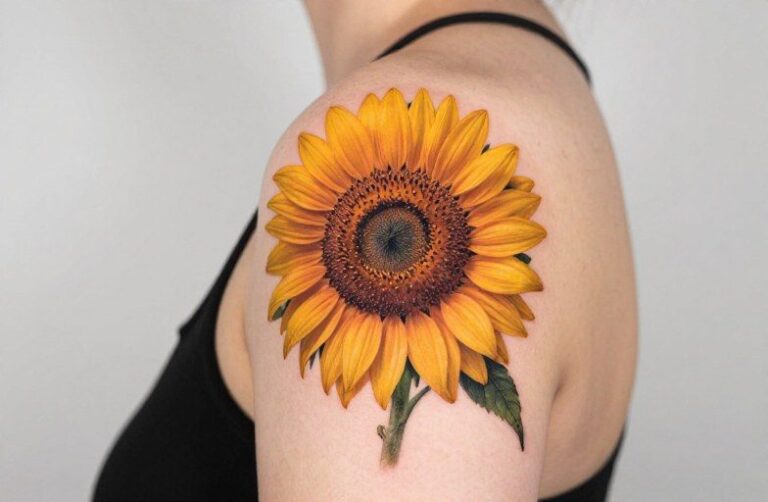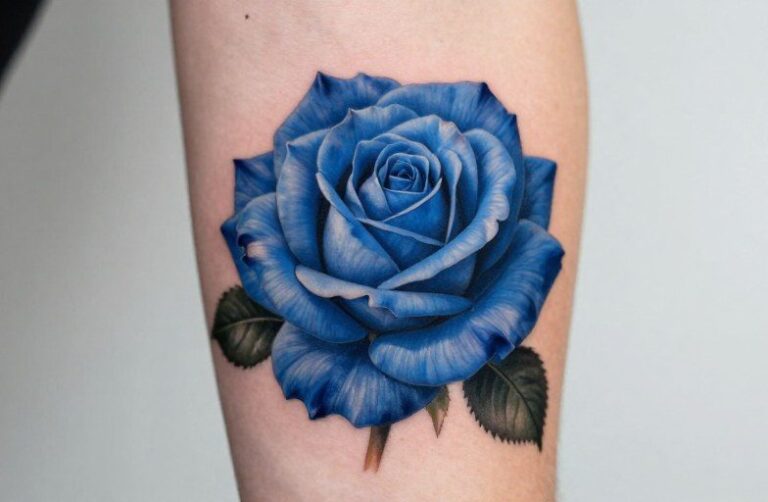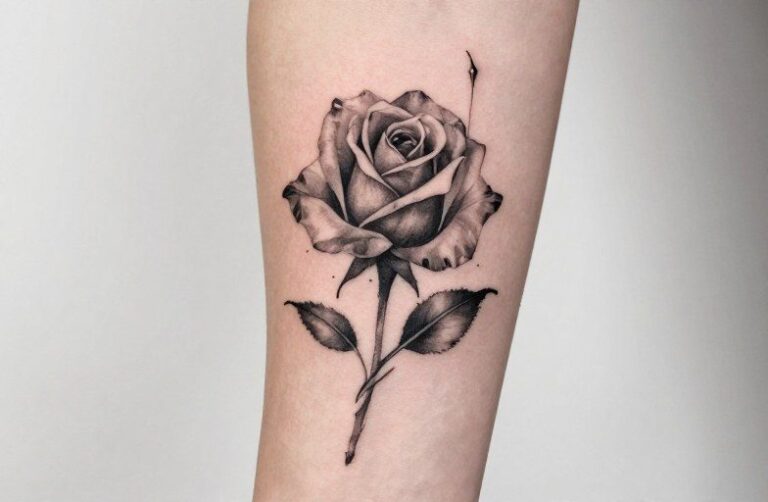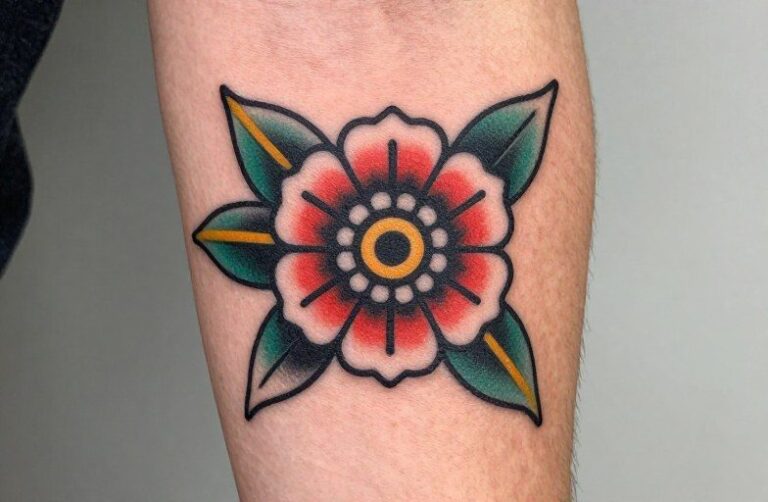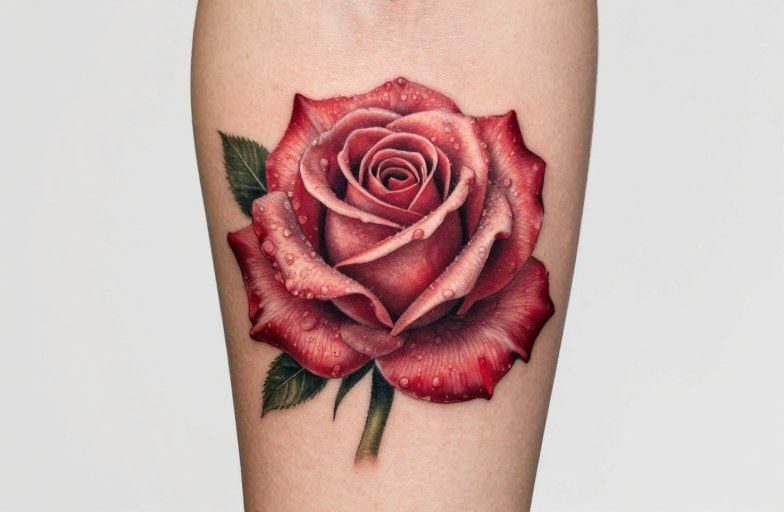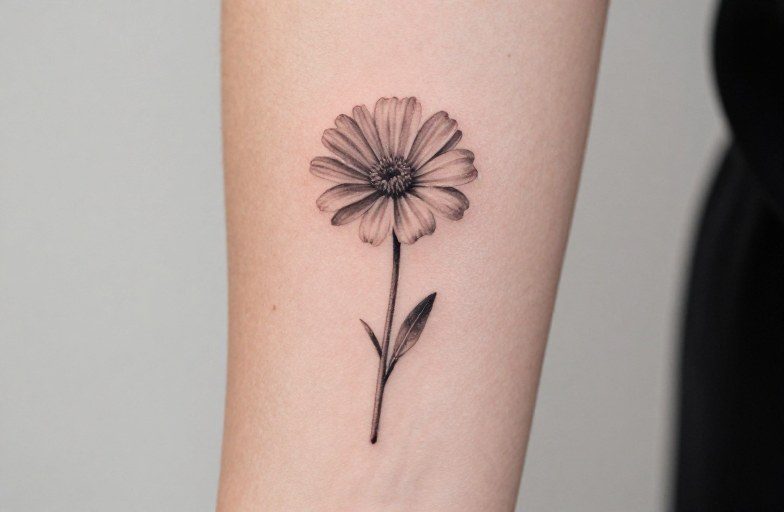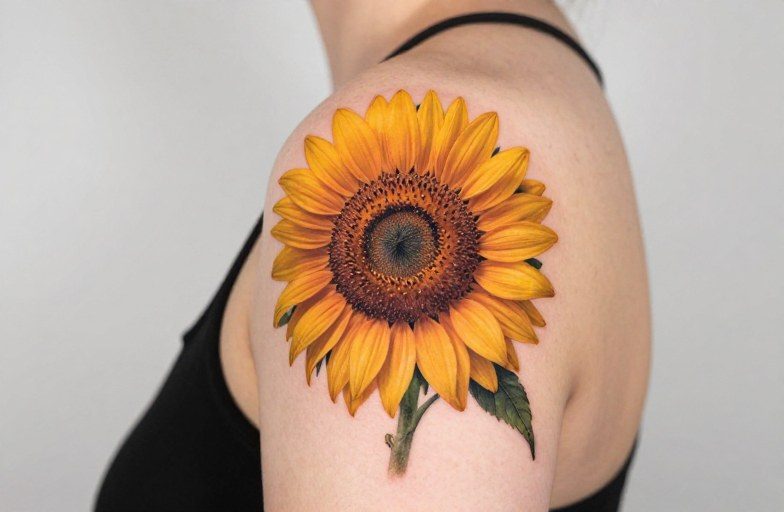
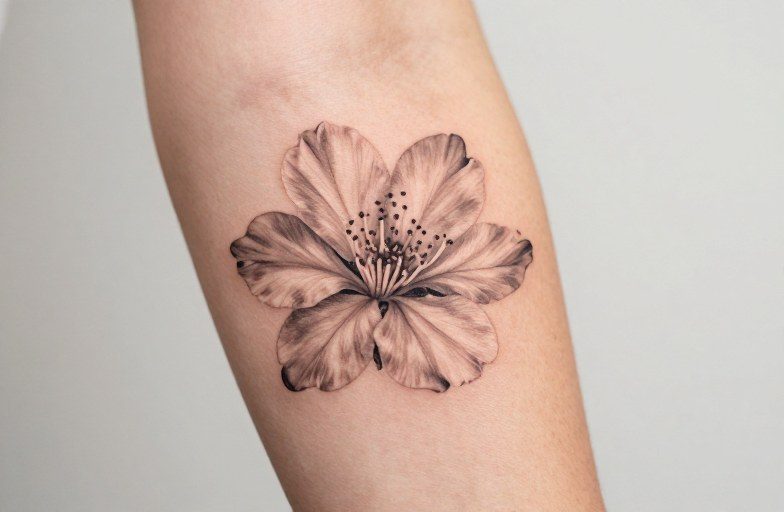
The yasmin flower tattoo most commonly symbolizes love, beauty, and sensuality, with strong ties to spiritual purity across several cultures. Its meaning deepens through the flower’s nocturnal nature, yasmin (jasmine) often releases its strongest fragrance after dark, suggesting hidden depth, quiet passion, and beauty that reveals itself only to those who pay attention.
Who Chooses This Tattoo
People drawn to yasmin flower tattoos usually aren’t looking for the loudest statement on the wall. There’s a self-selecting quality here: the bloom itself is delicate, small, and powerfully scented without shouting for attention. That profile attracts certain personalities and life situations.
Common Motivations
- Romantic milestones: Anniversaries, marriages, or memorials for relationships that shaped someone deeply, yasmin’s association with love in Persian and South Asian traditions makes it a natural marker.
- Cultural reconnection: Those with heritage from Iran, Pakistan, India, or the Philippines sometimes choose this flower as a quiet nod to roots, especially when they want something less expected than the flag or map outline.
- Night-oriented identity: Night shift workers, musicians, writers, and others whose lives run against the grain of daytime society sometimes gravitate toward this specifically nocturnal bloom.
- Subtle femininity: For people who want to express feminine energy without the more aggressive symbolism of roses or the cuteness of cherry blossoms, yasmin occupies a middle space, sensual but understated.
Gender and Expression
While yasmin flower tattoos read as feminine in Western contexts, that association isn’t universal. In Middle Eastern tattoo traditions, men have worn jasmine imagery too, particularly as part of larger botanical compositions. The flower’s flexibility comes from its structural simplicity: five petals, clean lines, no thorns. It adapts to whatever energy the wearer wants to project.
History & Cultural Roots
Pinning down a single origin story for yasmin in tattoo culture is impossible, but the flower itself carries weight across multiple civilizations. Understanding those roots matters because it prevents the design from flattening into generic “pretty flower” territory.
Persian and South Asian Threads
Yasmin derives from the Persian word for the flower, and Persian poetry often linked it to love, longing, and the beloved’s physical presence. In South Asia, jasmine garlands serve religious offerings and bridal decorations simultaneously, sacred and sensual without contradiction. Some trace tattoo usage of jasmine motifs in these regions to protective folk practices, where floral imagery was sometimes used in henna and permanent marking to bless the wearer.
Southeast Asian and Pacific Connections
The Philippines has a particular relationship with sampaguita, a local jasmine variety. National symbol, religious offering, and funerary flower all at once. Filipino diaspora tattoos sometimes incorporate sampaguita specifically rather than generic jasmine, and the distinction matters to those communities. In Indonesia and Malaysia, jasmine features in wedding rituals and is often linked to modesty and spiritual devotion.
Symbolism & Core Meaning
Beyond cultural borrowing, the yasmin flower carries inherent symbolic qualities that translate well to skin. These aren’t vague “flower power” generalities, they’re specific to how this plant actually behaves.
The Night-Blooming Dimension
Most yasmin varieties open fully in evening or night, releasing scent that’s nearly undetectable during daylight hours. This biological reality feeds into tattoo meaning: secrets held close, beauty that requires patience to experience, intimacy that happens away from public view. Someone who chooses this might be marking a private victory, a hidden strength, or a relationship that exists outside social media performance.
Scent as Invisible Memory
Unlike visual symbols, scent triggers memory directly in the brain’s emotional centers. A yasmin tattoo can’t literally smell, but it can invoke that association for the wearer and those who know the flower. Memorial tattoos using yasmin sometimes reference a specific person’s perfume, a grandmother’s garden, or a particular night. The image becomes a trigger for sensory memory that visual-only symbols can’t replicate.
Purity Without Coldness
White yasmin specifically carries associations with purity, but it’s a warmer, more embodied purity than the lily or lotus often provide. There’s sensuality mixed in, this is a flower worn in hair, behind ears, woven into intimate spaces. The tattoo can signal someone who rejects the virgin/whore binary entirely, claiming both innocence and experience as compatible qualities.
Common Variations & Styles
The yasmin flower’s simple structure, five petals, radial symmetry, minimal interior detail, makes it adaptable across tattoo styles, but some approaches work better than others for longevity and visual impact.
Line Work vs. Shading Approaches
Fine-line single-needle yasmin tattoos have dominated Instagram for years, and they photograph beautifully fresh. The reality: thin lines on this small, detailed subject blur faster than bolder work. Five years out, a delicate line-piece yasmin can look like a smudged star unless it was placed on low-friction skin and protected from sun. For longevity, slightly heavier line weight or strategic dotwork in the flower’s center holds definition better. Black-and-grey shading with whip-shading techniques can suggest the flower’s softness without the color-fading risks of watercolor styles.
Color Realities
White yasmin is the classic, but white ink alone on skin rarely reads as “white flower”, it tends toward scar-like or invisible depending on skin tone. More effective: using negative space for highlights while surrounding the flower with grey or green tones. Yellow and pink yasmin varieties exist in nature and translate well to tattoo, though yellow fades fastest in sunlight. Purple yasmin (not a true jasmine but often confused) offers bolder color payoff with better aging.
Composition Choices
- Single bloom: Minimalist, often behind ear or on wrist; relies on perfect execution since there’s nowhere to hide flaws.
- Vine or trailing stem: Follows body contours well, works for forearm, ribs, or ankle wraps; adds movement and elongation.
- Clustered with buds: Suggests growth, potential, or family/relationship groupings; buds can represent children or future possibilities.
- Combined with script: Name, date, or word in Persian, Arabic, or another relevant script; requires verified translation and culturally competent lettering artist.
Best Placements
Yasmin’s small scale and radial symmetry suit particular body areas, while its cultural associations sometimes influence placement decisions.
Intimate and Concealable Locations
Behind the ear, inner bicep, ribcage side, and hip crease all carry the flower’s natural whisper-quality. These placements also protect the tattoo from sun exposure, which matters for fine-line work especially. The neck nape, visible with hair up and hidden with it down, offers similar controlled visibility. Some choose these placements specifically because the yasmin’s meaning feels private, something revealed by choice rather than constant display.
Flowing and Visible Options
Forearm vines, shoulder cap clusters, and ankle wraps play up the botanical, growing quality. These work best when the stem curves with natural muscle or bone structure rather than fighting against it. A yasmin placed on the top of the foot, while popular, faces heavy fading from shoe friction and sun; the ankle bone itself offers better durability with similar visibility.
Religious & Spiritual Angles
The yasmin flower sits at an interesting intersection: used in Hindu and Buddhist temple offerings, mentioned in Sufi poetry, and adopted in some Christian contexts as a symbol of the Virgin Mary’s purity. This cross-religious presence can be inclusive or complicated depending on the wearer’s intent.
Appropriation vs. Appreciation
Someone with no connection to Persian, South Asian, or Southeast Asian heritage wearing yasmin purely for aesthetic risks flattening meaningful cultural symbols. The difference usually lies in research and specificity: knowing which variety, which tradition, which personal connection justifies the choice. A yasmin tattoo with a Persian poetry quote from Rumi carries different weight than a generic flower picked from Pinterest. Spiritual meaning deepens with understanding, not despite it.
Contemporary Spiritual Use
Outside organized religion, some choose yasmin to mark meditation practice, dream work, or shadow self integration, all connected to the flower’s night-blooming nature. The moon-flower association isn’t historically traditional but has developed genuine meaning in modern spiritual tattoo practice. Whether that constitutes appropriation or evolution depends on honest self-assessment about whether the symbolism is lived or merely worn.
Final Thoughts
The yasmin flower tattoo rewards slow consideration. Its meanings are layered enough that a quick choice usually results in a pretty but empty image. The best versions come from someone who has smelled the actual flower at night, who knows which cultural thread they’re pulling, who has thought about whether they want the bloom open or in bud, alone or in cluster, visible or concealed. That specificity is what separates decoration from meaning. The flower itself has been marking human experience for millennia, your version just needs to earn its place in that long conversation.
Frequently Asked Questions
Does a yasmin flower tattoo have to be white to carry the purity meaning?
No. While white yasmin is commonly associated with purity, the flower’s symbolic range extends across its natural color variations. Pink and yellow yasmin carry love and friendship associations in several cultures, and even black-and-grey versions maintain the night-blooming and sensual dimensions. The meaning comes from your intention and context, not strictly from color choice.
How well does fine-line yasmin tattooing hold up over time?
Fine-line yasmin work is especially vulnerable to aging because the flower’s small petals and delicate details have minimal line weight to maintain definition. Expect noticeable softening within 3-5 years on high-friction or sun-exposed areas. For better longevity, ask your artist about slightly bolder line weight or adding subtle dotwork centers that anchor the design as lines spread.
What’s the difference between yasmin and jasmine in tattoo terminology?
They’re the same flower, yasmin is the Persian/Arabic origin of the word, while jasmine is the English adaptation. In tattoo contexts, “yasmin” sometimes signals Persian, Arabic, or Islamic cultural connection specifically, while “jasmine” reads more generically Western. Filipino sampaguita is a distinct jasmine variety with its own cultural weight, so specify if that’s your intended reference.
Can a yasmin flower tattoo work in a larger botanical sleeve?
Yes, though it requires thoughtful scaling. Yasmin’s small, simple structure can get visually lost among larger blooms like peonies or roses unless given strategic placement, near the wrist or collarbone edge where it reads as intentional accent rather than afterthought. Its vine structure also integrates well as connecting tissue between larger floral pieces, softening transitions between bolder elements.