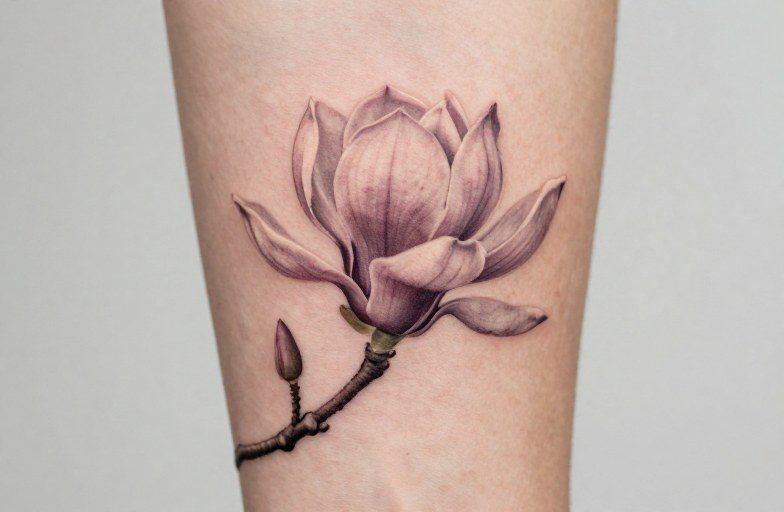
A magnolia flower tattoo most commonly symbolizes endurance, dignity, and a quiet strength that does not need to announce itself. Unlike flashier blooms, the magnolia carries weight without heaviness. It is tied to the American South, to feminine resilience, and to beauty that persists through harsh conditions. The meaning shifts with placement and style, but the core stays consistent: something lovely that refuses to be fragile.
Where the Symbolism Comes From
The magnolia predates bees. Fossil records place magnolia relatives at roughly 95 million years old, making it one of the oldest flowering plants on earth. That deep timeline feeds into tattoo meaning without needing embellishment. Wearing one connects you to something that survived mass extinctions.
East Asian Traditions
In Chinese symbolism, the magnolia (often called mulan in older texts) is commonly associated with nobility and purity. Some traditions trace this to the Tang dynasty and earlier, where the unopened bud represented hidden beauty or virtue waiting to unfold. Japanese hanakotoba, the language of flowers, links the magnolia to a love of nature and dignified, natural grace. These are not hard rules tattoo wearers follow, but they inform why someone might choose magnolia over, say, cherry blossom for a similar placement.
Related reading: magnolia flower tattoo meaning | cattleya flower tattoo meaning | Japanese flower tattoo meanings | unique flower tattoos females
American Southern Roots
The Southern magnolia (Magnolia grandiflora) dominates this branch of meaning. It is the state flower of Mississippi and Louisiana. Its waxy, evergreen leaves and massive white blooms became shorthand for a particular kind of regional identity: hospitality mixed with steel, beauty mixed with humidity and hardship. The magnolia thrives in poor soil and punishing summers.
Tattoos drawing on this often pair the flower with Southern Gothic elements: Spanish moss, antebellum architecture, or decaying grandeur. But the meaning is not nostalgia. It is complication. The flower also appears in African-American Southern tradition, from funeral arrangements to the poetry of Maya Angelou, where it often represents dignity maintained under pressure. That dimension, the soul in the title, matters. It keeps the symbol from collapsing into mere regional kitsch.
Color Versus Black and Grey
This choice changes the tattoo’s emotional tone more than most subjects.
Color Realism
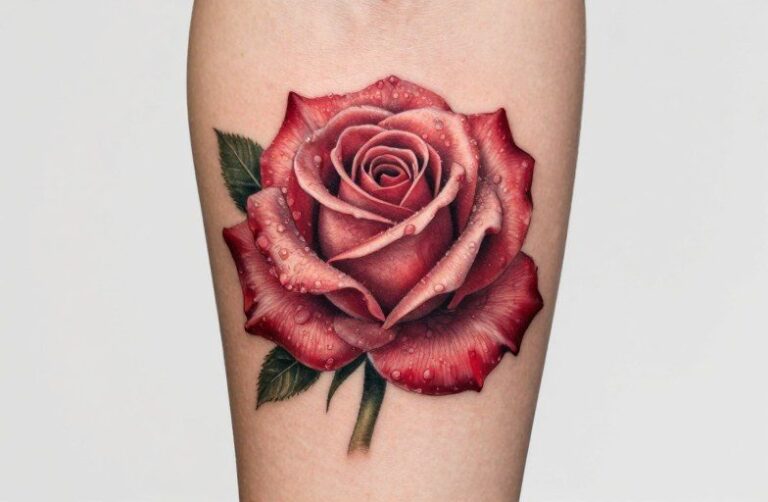
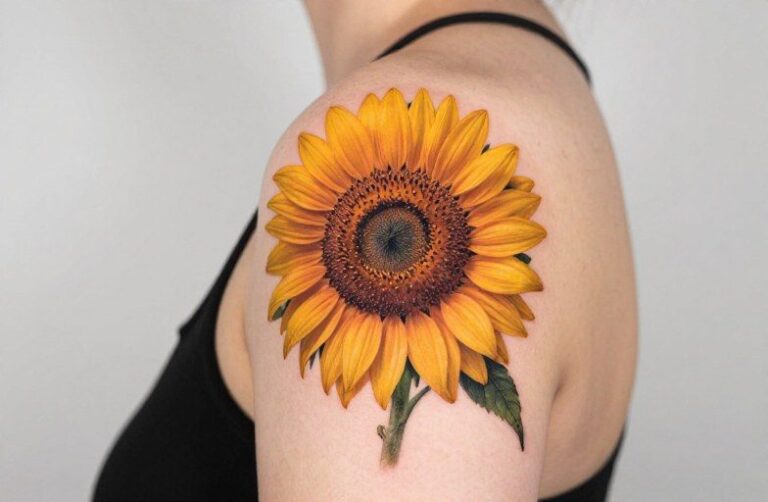
Traditional magnolia coloration, creamy white petals, rusty brown undersides, dark glossy green leaves, reads as lush, almost opulent. Full color emphasizes the flower’s physical weight. These blooms are substantial, not delicate. Color also ages differently. The warm browns and soft creams tend to hold better than brighter floral choices like red roses, which can muddy faster. Expect the green leaves to soften and shift blue-grey over a decade. A skilled artist will build warmth into the initial application knowing this.
One practical note: the pale cream tones that make magnolias distinctive can be tricky on darker skin tones if the artist is not experienced with botanical color work. The pigment needs to be dense enough to read but not so dense it scars. Ask to see healed photos on skin similar to yours, not just fresh work.
Black and Grey
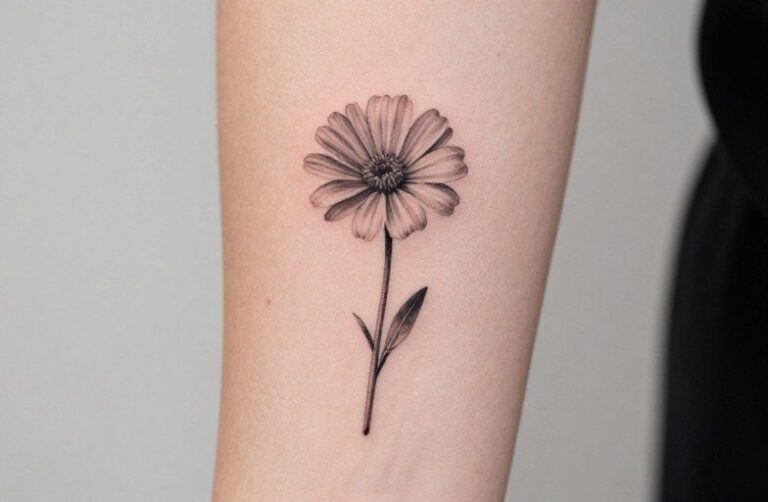
Stripped of color, magnolia tattoos emphasize form over symbolism. The heavy petals create dramatic shadow opportunities. The contrast between velvety dark leaves and pale bloom gives tattooers real sculptural material. Black and grey reads more timeless, less regionally specific. It also suits smaller scales better. Color realism needs room to breathe, but a single magnolia bud in greywash can hold detail at three to four inches. Many choose this for forearms, ribs, or behind the ear where space is tight.
What the Magnolia Means for the Person Wearing It
Beyond established symbolism, people gravitate toward magnolia for specific life contexts. The flower’s reproductive structure is unusual. Beetles pollinate it, not bees, because it evolved before bees existed. That ancient, self-sufficient biology resonates with people marking independence or self-possession. The bloom also opens and closes with temperature, not light, which carries its own metaphor about responding to conditions rather than following external cues.
Modern placements often cluster along the collarbone, mirroring the bloom’s position on the tree, high and visible. The upper arm is common, or extending from hip to rib. These are not random. They are places where the tattoo’s weight matches the flower’s physical presence. Fine-line magnolias have gained traction, though the subject challenges the style. Those thick petals need some weight to read correctly. Artists solving this often use selective heavy linework on leaf edges and outer petals, keeping interior detail light.
I have seen magnolias used to mark recovery from illness, the end of a long relationship, or the beginning of a life in a new city. The common thread is persistence, not drama. The flower does not bloom suddenly or briefly. It holds.
Symbols Often Paired With Magnolia
People considering magnolia often consider lotus, peony, and gardenia. Each carries overlapping but distinct territory.
- Lotus: More explicitly spiritual, tied to emergence and enlightenment. The magnolia is earthier, less transcendent.
- Peony: Prosperity and romance in Chinese tradition, softer and more decorative. Magnolia carries more backbone.
- Gardenia: Secret love, refinement, often more melancholy. Magnolia is public, declarative.
Combinations happen: magnolia with honeybee, acknowledging the ancient pollination biology. Magnolia with magnolia leaf wreath, military or memorial context, since the leaf’s toughness symbolizes endurance. Magnolia with broken chain or open hand. These pairings do not dilute the meaning. They specify it.
Religious and Spiritual Contexts
The magnolia lacks the explicit sacred status of lotus or lily, but it appears in spiritual contexts nonetheless. Some Christian communities in the American South have used it as an Easter flower. Its white blooms coincide with the season, and its evergreen leaves suggest persistence through death. This is regional and informal, not doctrinal.
Earth-Based and Pagan Associations
The flower’s extreme age and pre-insect-pollination biology give it standing in nature-focused spirituality. It represents what persists, what predates human categorization. Tattoos in this vein often emphasize the whole tree: roots, trunk, bloom, rather than isolated flowers. The magnolia’s wood is surprisingly soft for such a hardy tree, which itself becomes metaphor. Strength does not require hardness.
Style Choices That Matter
How the tattoo is built matters as much as what it means.
Botanical Illustration Style
Scientific accuracy, cross-section details, Latin names included. This appeals to people who want the flower’s objective reality, not its poetic associations. Line weight stays consistent. Shading is minimal or stippled. These age cleanly because they avoid heavy black saturation, though they can look sparse if under-scaled.
Traditional and Americana
Bolder outlines, limited color palette, stylized rather than realistic. The magnolia is not a traditional subject per se, but artists have adapted it, often pairing it with banners, daggers, or Southern-specific imagery like catfish or cypress. These tattoos read as deliberate, claimed identity rather than default floral choice.
Single-Needle and Fine Line
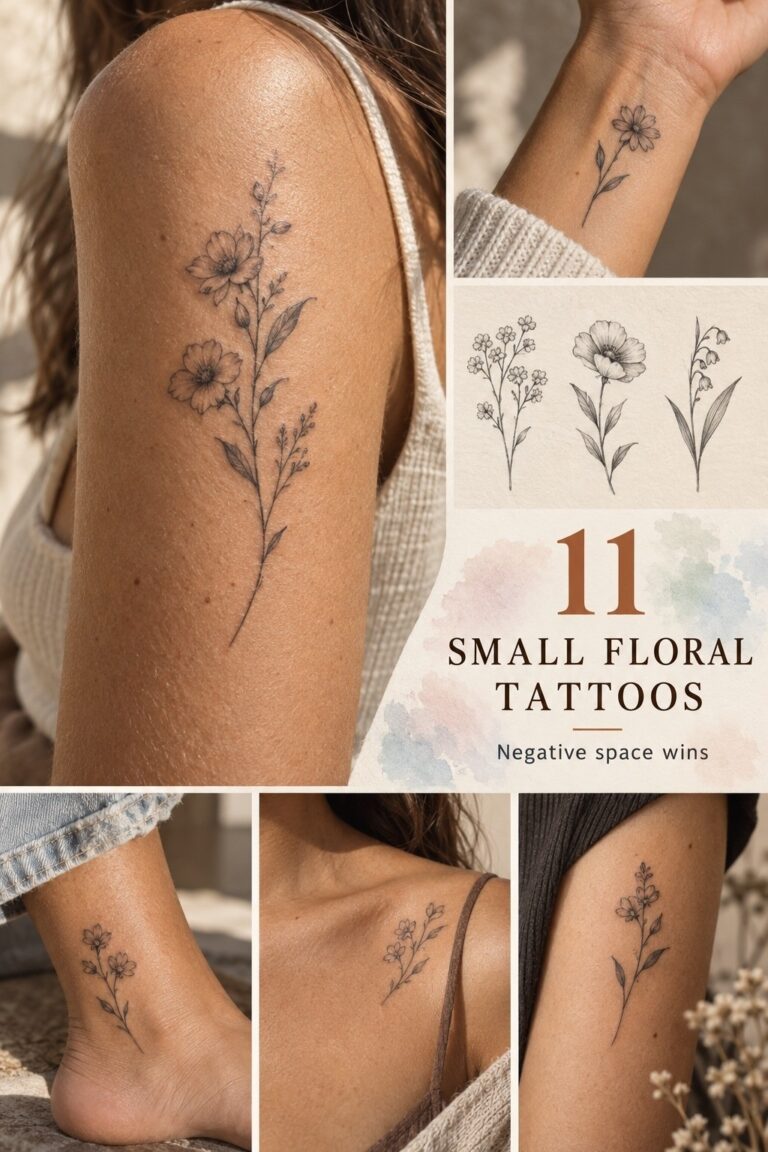
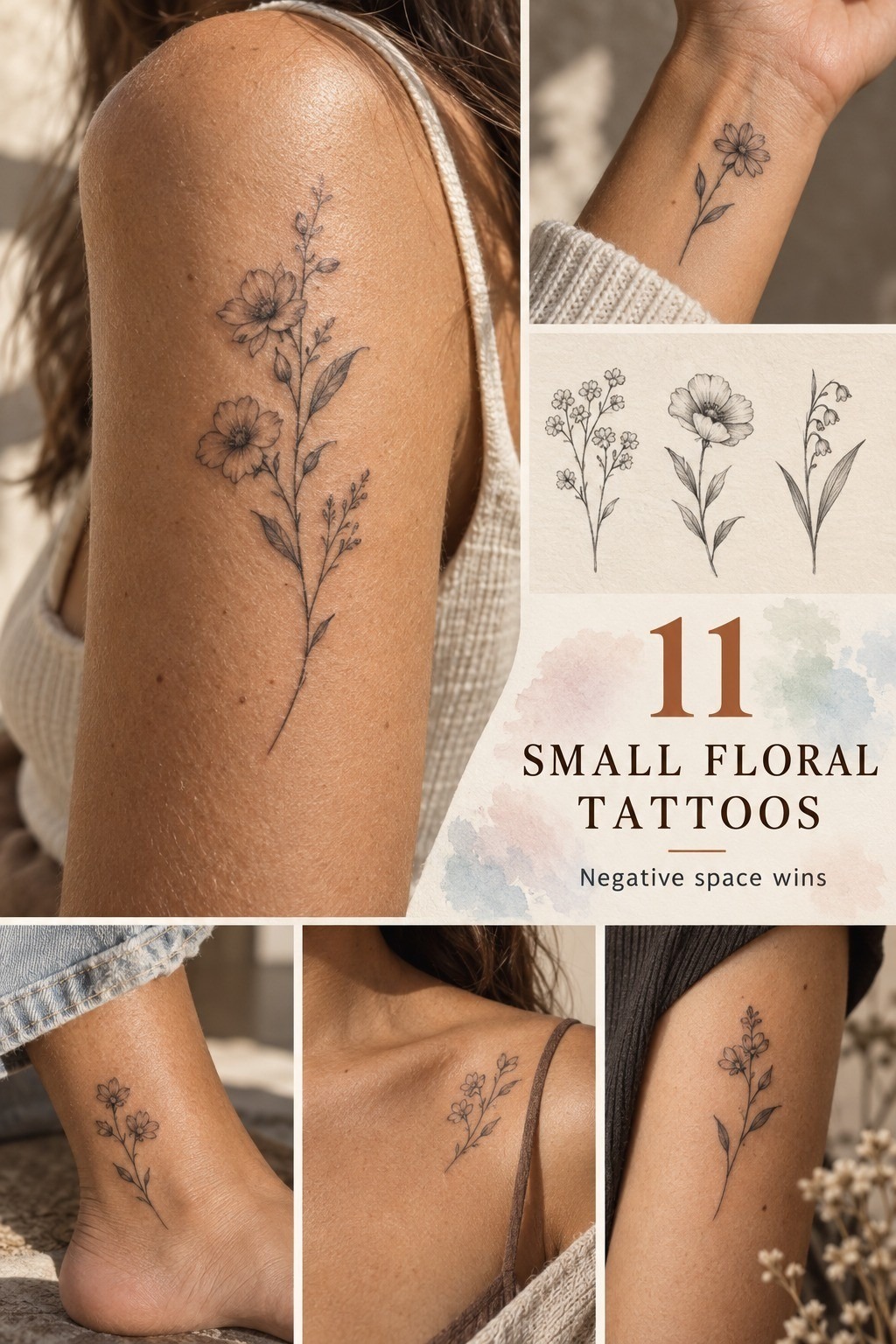
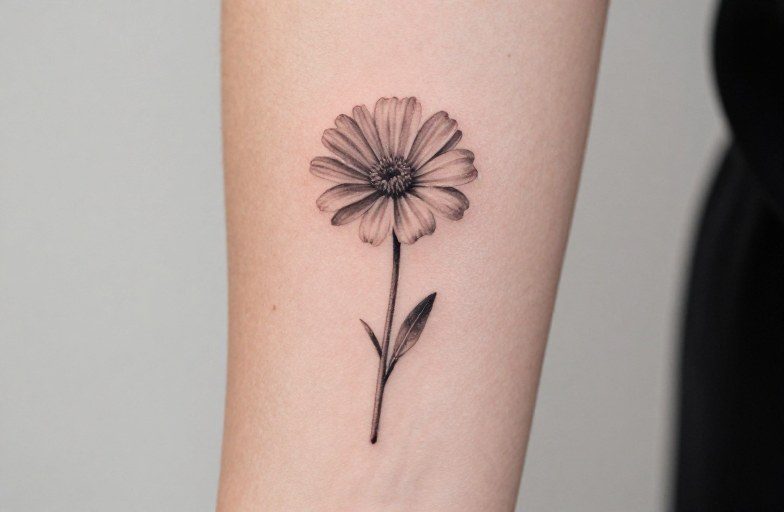
Popular for wrist, ankle, behind-ear placements. The challenge is the flower’s natural mass. Fine line can make it look insubstantial. Successful versions use strategic heavier lines on key edges, or focus on the bud form rather than full open bloom. Healing reality: fine line on high-movement areas like wrist often needs touch-up, not from poor work but from the skin’s constant flexing. Plan for this in your budget and timeline.
What to Remember
A magnolia flower tattoo works because it carries weight without being heavy. It offers femininity without fragility, regional connection without nostalgia, beauty without triviality. The specific meaning depends on what you bring: your geography, your resilience, your relationship to something ancient that keeps blooming.
Choose color for lush presence, black and grey for timelessness. Give it enough scale for those petals to read. On darker skin, verify your artist’s experience with pale botanical tones. And trust that a flower older than bees does not need your explanation to matter.
Frequently Asked Questions
Does a magnolia tattoo have to be large to look good?
Not necessarily, but the flower’s natural structure benefits from some scale. A small bud behind the ear works in fine line. Full open blooms need more room for the petal layers to read clearly. Under three inches, consider the bud form or a single leaf rather than the full flower.
How well does magnolia color hold up over years?
The cream and soft green tones typical to magnolia age better than bright reds or yellows, though greens always shift toward blue-grey eventually. Rust-brown petal undersides hold exceptionally well. A good artist accounts for this by building warmth into the initial application.
Is the magnolia only a Southern or feminine tattoo?
No. While Southern identity is one common association, the flower’s core symbolism, endurance, dignity, ancient persistence, transcends region and gender. The meaning depends on your context, not demographic rules.
What’s the best placement for a magnolia tattoo?
Collarbone and upper arm echo the bloom’s natural high-visibility position on the tree. Hip to rib works for larger compositions. Behind the ear or wrist suit smaller bud forms in fine line or black and grey.
What should I ask an artist before getting a magnolia in color?
Ask to see healed photos on skin similar to yours, not just fresh work. Pale cream tones need careful density to read on darker skin without scarring. Botanical specialists will have this portfolio ready.