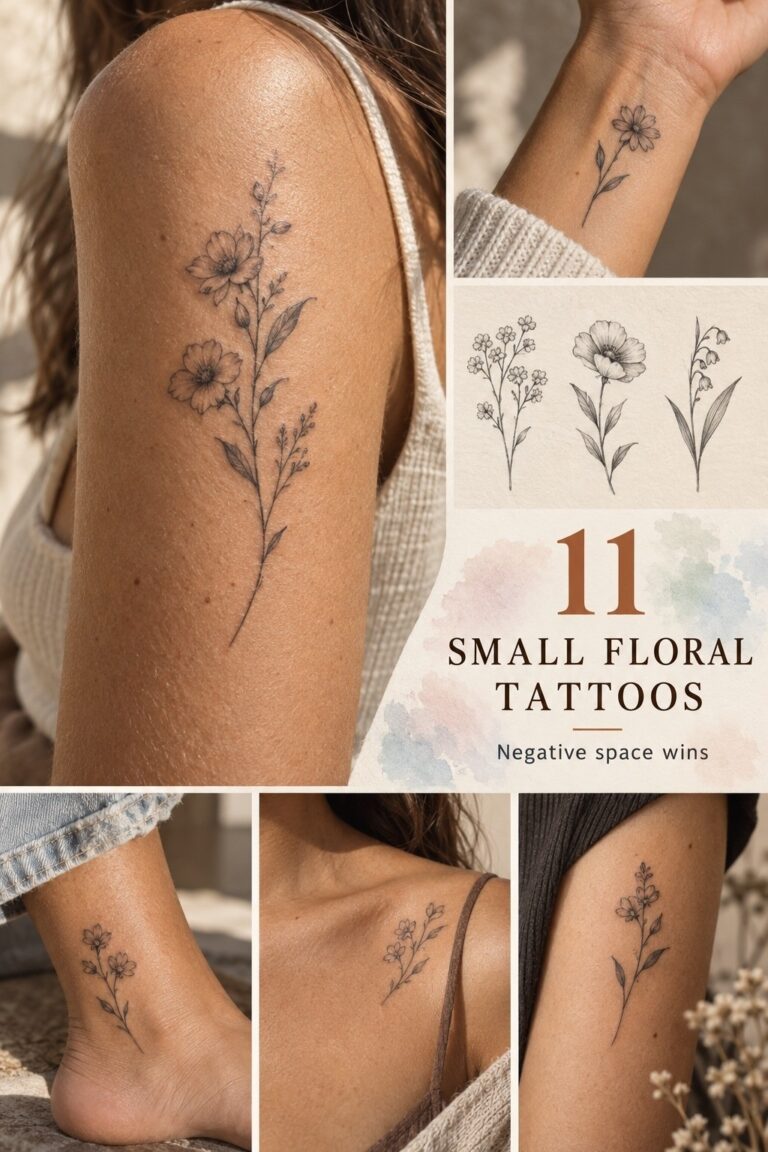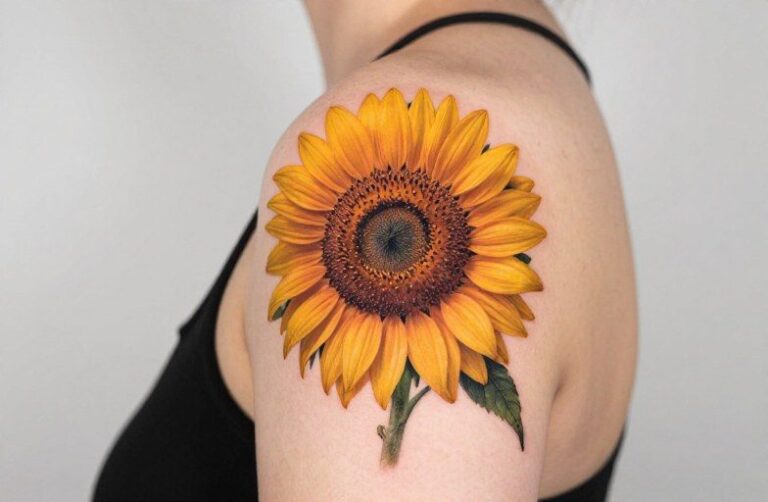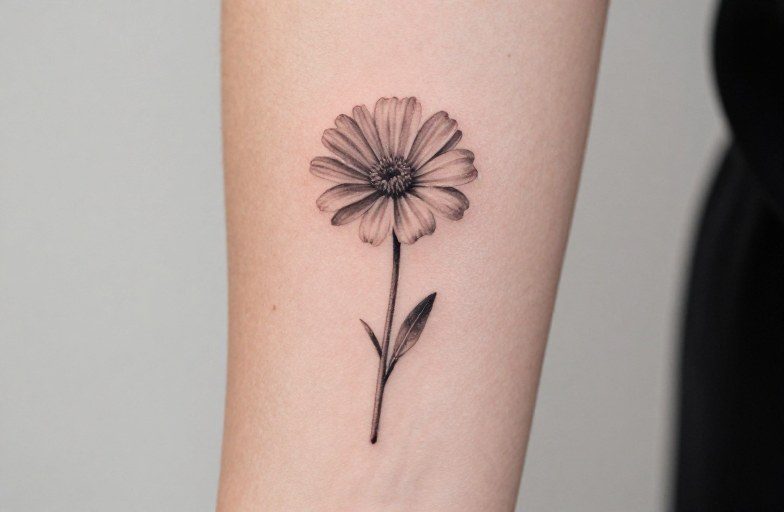
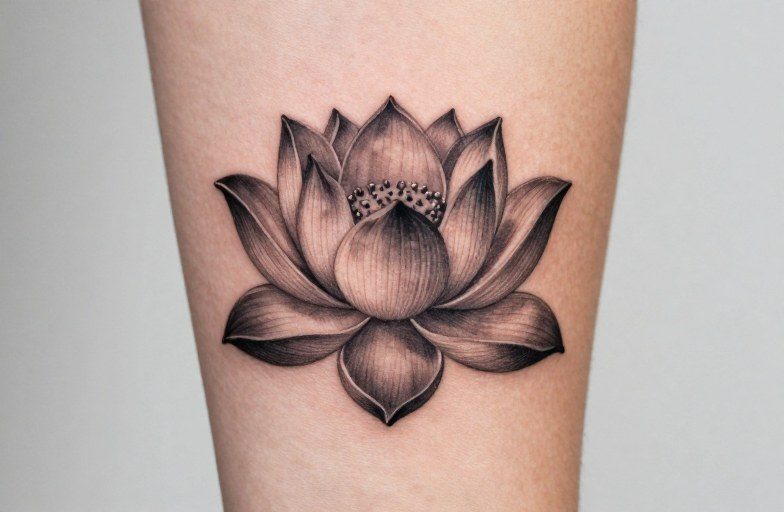
A lotus tattoo means emergence. The flower pushes through murky water to open on the surface, and that image has carried weight across cultures for centuries. In Hemet, CA, where the San Jacinto Valley’s desert heat and agricultural roots shape local tattoo culture, the lotus resonates with people who’ve rebuilt after hardship, converted faith, or simply survived a rough season. The meaning is concrete: growth despite adverse conditions.
Symbolism and Core Meaning
The Biological Reality Behind the Metaphor
The lotus plant’s actual behavior gives the symbol its power. Roots anchor in sediment, stems travel through dark water, and the bloom opens clean despite its origin. This is not abstract philosophy; it is observable nature. Tattoo wearers often connect this to recovery from addiction, surviving abusive relationships, or rebuilding after incarceration. The symbol works because the mechanism is visible: you can literally watch a lotus rise.
Cross-Cultural Associations
In Buddhist iconography, the lotus is often linked to purity of mind and spiritual awakening, with Buddha figures frequently seated on lotus thrones. Hindu traditions commonly associate the flower with Lakshmi and Saraswati, representing beauty and knowledge emerging from cosmic waters. Ancient Egyptian art sometimes depicted the blue lotus in funerary contexts, tied to rebirth and the sun’s daily return. Modern Western adoption tends to strip specific religious context, keeping only the core narrative of transformation.
Common Variations and Styles
Closed Bud Versus Full Bloom
A closed lotus bud typically signals potential, beginnings, or work in progress. The full bloom marks arrival, completion, or active living in one’s truth. Some designs split the difference: a half-open flower catching the moment of transition. Placement affects readability here. A bud on the inner forearm reads as private intention; a full bloom across the shoulder blade announces transformation to the world.
Popular Style Approaches in California Shops
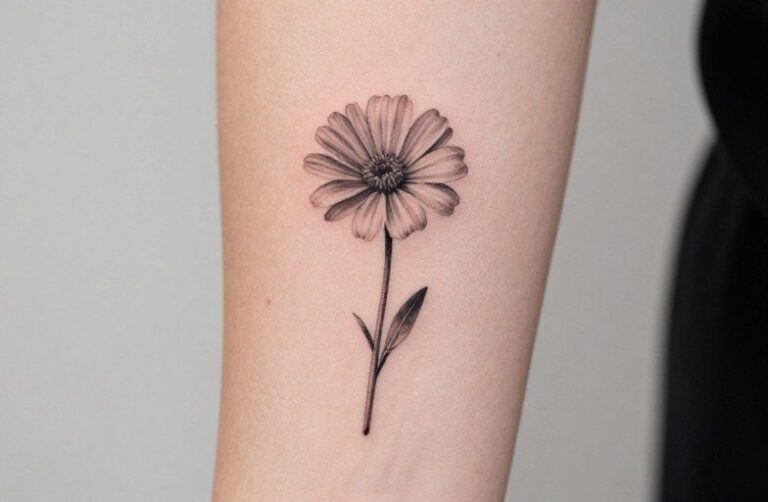
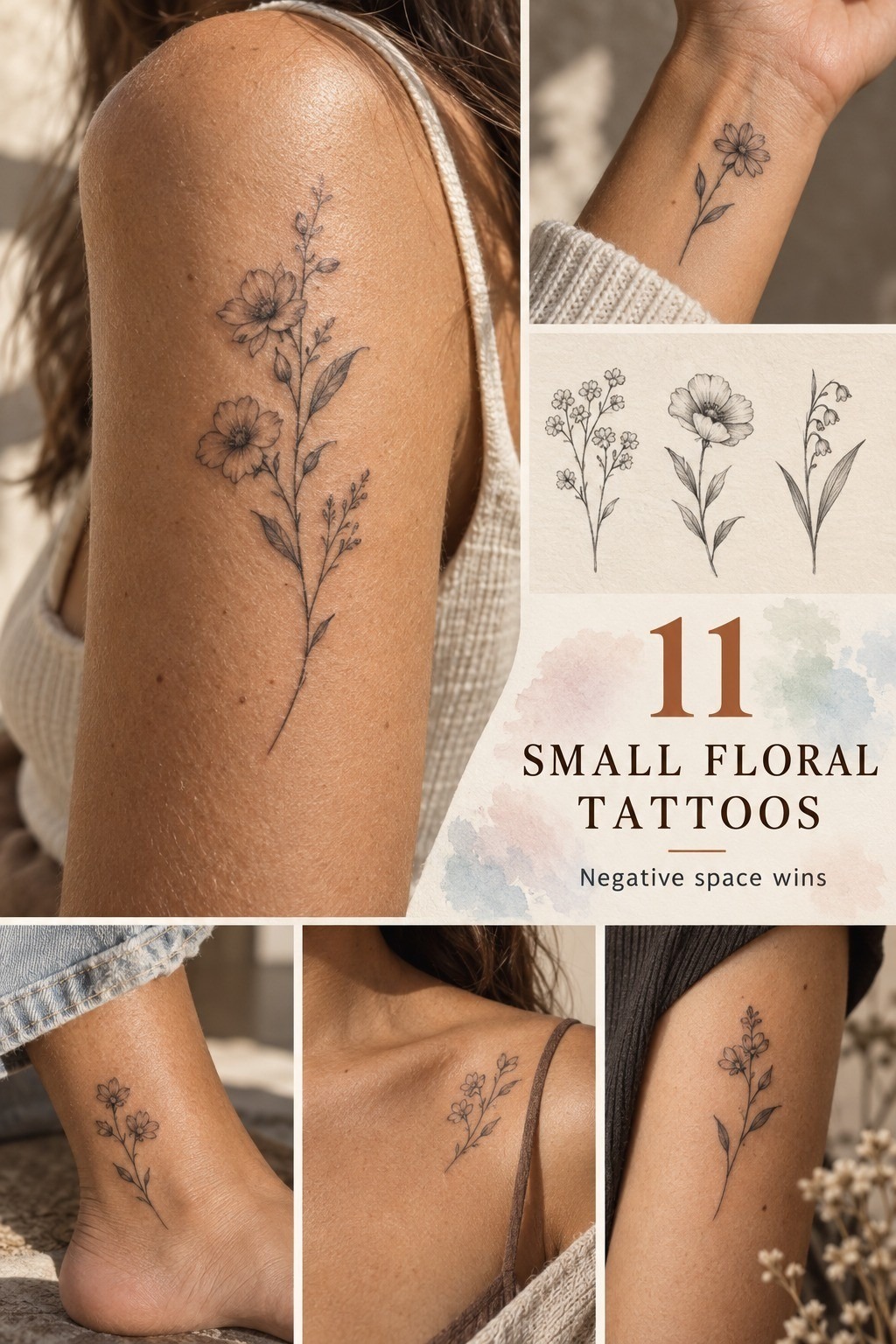
Single-needle fine line lotus designs have grown prominent in California tattooing over the past decade, emphasizing delicate petal edges and negative space. Traditional Japanese-inspired versions use bolder outlines, flatter color fields, and often incorporate water or koi. Geometric lotus tattoos break the flower into mandala-like symmetry, sometimes dotwork-shaded. Watercolor-style lotus, with soft color bleeds without black outlines, looks striking fresh but presents specific aging challenges covered below.
- Single needle fine line: Thin, precise; best on fair skin with minimal sun damage
- Japanese traditional: Bold, readable from distance; ages reliably
- Geometric/dotwork: Requires steady hand; dot density must vary enough to hold contrast
- Watercolor: Saturated initially; color migration risk in heavily filled areas
How It Ages on Skin
Petals age differently than solid black. Fine lines between petal layers tend to blur first, sometimes closing gaps that originally defined individual petals. A lotus with very tight line spacing between petals may lose definition over years without touch-ups. Designs with deliberate, wider negative space between elements hold longer.
White highlights on lotus petals, meant to suggest sheen or dimension, often fade fastest. Within a few years, white becomes skin-tone or disappears entirely. Experienced artists in Hemet’s sun-heavy climate typically account for this by building contrast through darker surrounding tones rather than relying on white to carry the design.
Placement matters significantly. A lotus on the top of the foot or inside the lip degrades faster than one on the upper outer arm or thigh. The ribcage, despite being popular, stretches and compresses with breathing and weight fluctuation, distorting symmetrical petal arrangements over time.
Color Versus Black and Grey
Color Specifics
Pink lotus tattoos draw from the actual flower’s most common cultivar, but in tattooing, pink pigments, particularly magentas and light roses, historically showed higher fading rates than blues or greens. Modern improved formulations have narrowed this gap, though sun exposure still accelerates pink’s shift toward peach or skin-tone. Blue lotus designs reference the Egyptian Nymphaea caerulea; deep blues and teals generally age more stably.
Black and Grey Strategy
Black and grey lotus tattoos rely on smooth gradation to suggest the flower’s dimensionality. The challenge: greywash can heal unevenly, leaving patchy mid-tones that flatten the image. Skilled artists build lotus petals with multiple passes of diluted black rather than single smooth gradients, creating texture that reads as intentional even if healing varies slightly. This approach sacrifices some softness for longevity.
Black linework alone, no shading, creates a graphic, almost logo-like lotus. It ages the most predictably but requires precise initial drawing; there is no shading to hide line wobbles or asymmetry.
Similar and Related Symbols
The lotus frequently pairs with specific imagery that modifies or extends its meaning. A lotus rising from flames rather than water shifts the narrative from natural growth to survival through destruction. Snakes coiled through lotus petals sometimes reference kundalini energy or temptation overcome. The unalome, a spiral leading to a straight line, often topped with a lotus, charts the path from confusion to enlightenment; the lotus at the apex represents the destination.
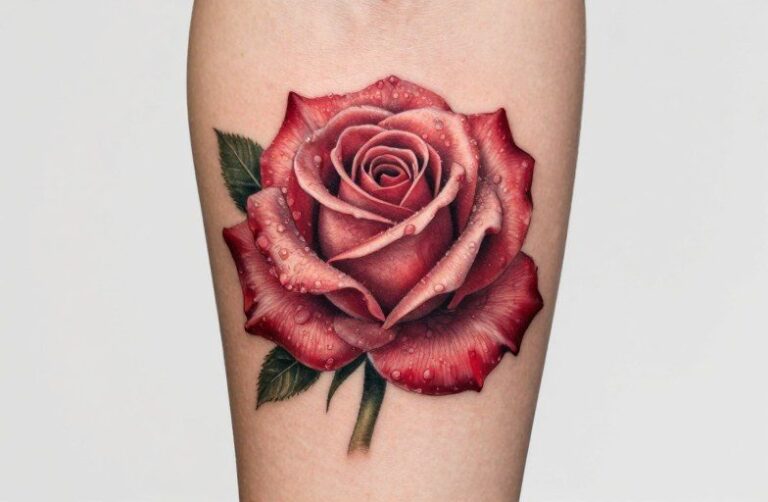
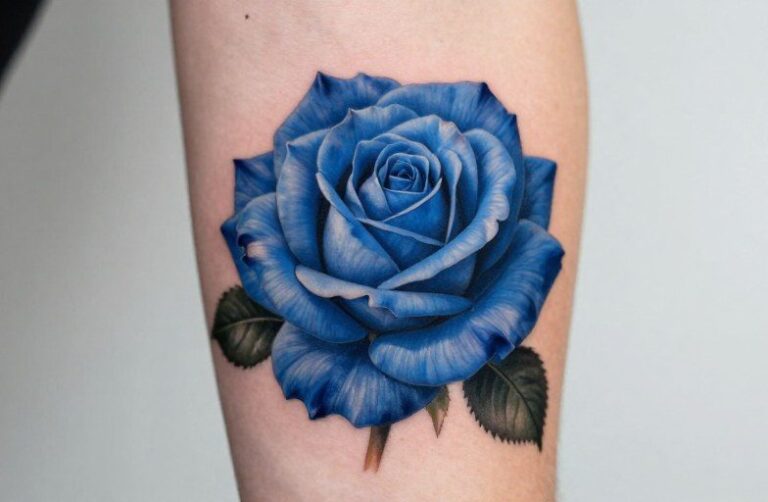
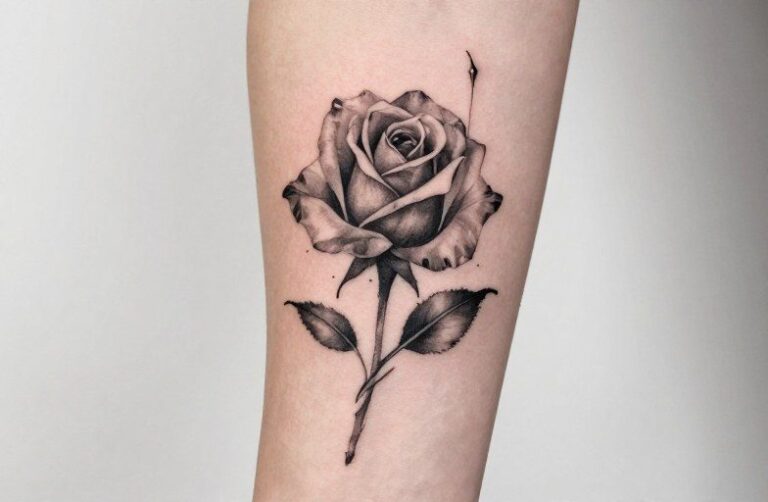
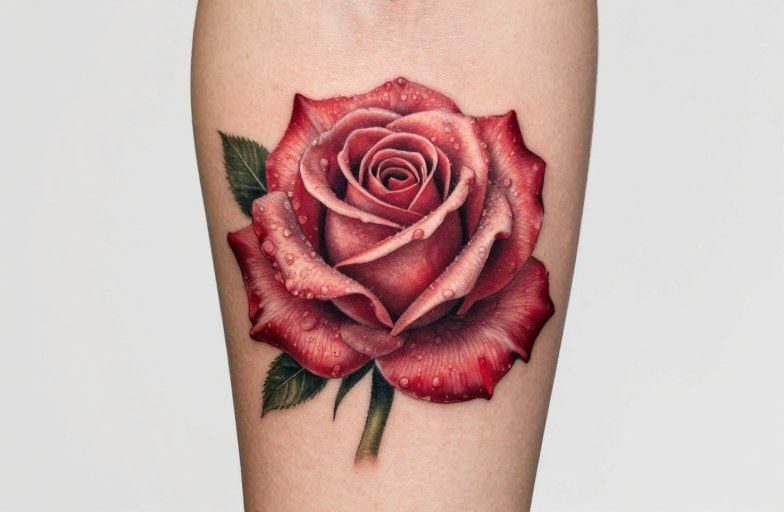
The rose shares some symbolic territory (beauty, growth) but carries Western romantic and Christian associations the lotus lacks. The lily, particularly the calla variety, offers similar elegance but without the mud-to-bloom narrative. People choosing between lotus and lily usually want the specific resilience story the lotus provides.
Om symbols, chakras, or mandalas paired with lotus anchor the design in spiritual practice rather than general personal growth. This specificity helps or hurts depending on the wearer’s actual relationship to those traditions.
Personal and Modern Meanings
Beyond Spiritual Reclamation
Contemporary lotus wearers often reject the flower’s religious packaging entirely. The symbol gets claimed by people marking gender transition, sobriety milestones, or exit from high-control groups. The mechanism, surviving conditions that should have prevented thriving, translates across contexts without requiring belief in karma or reincarnation.
Regional Resonance in Hemet
Hemet’s mix of retirees, agricultural workers, military families from nearby bases, and commuters to Riverside or San Diego creates varied lotus narratives. For some, it is recovery from valley heat and economic precarity. For others, it is the contrast between desert surroundings and the flower’s water origin: a deliberate import of lushness into arid life. Local shops see steady lotus requests year-round, unlike seasonal trends (snowflakes, compasses) that spike and fade.
What to Remember
The lotus tattoo endures because its core metaphor is structurally perfect: visible, biological, and universally applicable. It does not require belief in any specific system to function. What matters in execution is the artist’s handling of petal spacing, line weight suited to the wearer’s skin type and sun exposure, and honest conversation about how color choices will shift over decades. A lotus chosen for genuine personal relevance, rendered with technical awareness of how tattoo ink behaves on human skin, remains one of the most defensible choices in contemporary tattooing, not because it is trendy, but because the underlying story is true.
Frequently Asked Questions
How much does a lotus tattoo typically cost in Hemet, CA?
Pricing varies significantly by artist experience, piece size, and complexity. Small simple designs may start near shop minimums, while detailed custom work requires consultation. Most reputable shops in the Hemet area charge hourly rates comparable to inland Southern California standards. Request portfolios and written estimates before booking.
Does a lotus tattoo hurt more than other designs?
Pain depends on placement, not the image itself. A lotus on the ribs or ankle bone hurts more than the same design on the outer thigh or upper arm. The flower’s curved lines do not inherently increase pain compared to straight-line geometric work.
What’s the difference between a lotus and a water lily tattoo?
Botanically they are related but distinct genera. Visually, lotus petals are more pointed and layered, rising above water on tall stems. Water lilies float flat on the surface with rounder petals. Symbolically, the lotus carries the stronger transforma